

For many businesses, a work truck is more than a vehicle. It is a tool, a mobile workspace, a delivery asset, and a major part of daily operations. When one vehicle is down, the cost is rarely limited to the repair bill. Jobs can be delayed, crews can sit idle, customers can be inconvenienced, and revenue can be affected.
That is why preventive maintenance matters. A proper maintenance plan helps business owners stay ahead of avoidable breakdowns and make better decisions about the vehicles they rely on every day. At Fleet Specialties, the focus is simple: keep your work trucks working.
What Preventive Fleet Maintenance Really Means
Preventive fleet maintenance is planned service that helps identify and correct small issues before they become larger mechanical problems. Instead of waiting for a truck to fail on the road, a preventive approach uses regular inspections, service intervals, repair history, and vehicle condition to guide maintenance decisions.
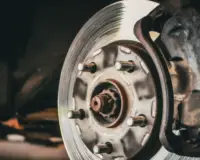
For businesses operating multiple vehicles, this becomes especially important. One missed oil change, worn brake component, weak battery, alignment issue, or tire problem can quickly turn into lost time. A commercial vehicle is often carrying tools, products, materials, or staff, so reliability is directly connected to productivity.
Fleet Specialties provides commercial vehicle maintenance and repair for businesses across North York and the GTA, including scheduled preventive maintenance, diagnostics, brakes, electrical repairs, steering and suspension, tires, alignments, heating and cooling, and more.
Why Downtime Costs More Than The Repair
When a business vehicle is out of service, the repair invoice is only one part of the issue. The larger cost is often the disruption that follows.
A service vehicle that misses a job can affect customer expectations. A delivery van that cannot leave the yard can push back orders. A contractor truck that breaks down can delay a crew for hours or longer. Even a smaller issue, such as a tire or battery problem, can create a ripple effect across the day.
That’s why fleet maintenance Toronto should be treated as a business planning issue, not just a repair task. Preventive maintenance helps reduce the chance of unexpected downtime by creating a more predictable service schedule.
As discussed in our related blog on Ontario yellow sticker inspections for commercial vehicles, safety and compliance are also easier to manage when vehicle condition is monitored consistently. Waiting until inspection time to address problems can create unnecessary pressure, especially when several vehicles are due at once.
What Should Be Included In A Fleet Maintenance Plan?
A good fleet maintenance plan should reflect how the vehicles are used. A delivery van used daily in city traffic will not have the same wear patterns as a work truck carrying heavy tools or equipment. Mileage matters, but so do idle time, load weight, driver habits, weather, and stop-and-go driving.
Most commercial fleets should have a system for tracking oil changes, brakes, tires, battery health, suspension, lights, steering, fluid levels, warning lights, and upcoming inspections. Repair history should also be reviewed over time. If the same vehicle is constantly returning for service, that may be a sign that replacement planning needs to start.
Fleet Specialties supports businesses with proactive fleet management services that help monitor vehicle condition, coordinate service requirements, track repair history, and review long-term repair costs. This gives business owners better information when deciding whether to repair, replace, or prepare a vehicle for continued service.
Signs A Commercial Vehicle Should Be Serviced Soon
Some problems are easy to ignore until they interrupt the workday. A truck may still start, drive, and complete jobs, but warning signs should not be brushed aside.
Uneven tire wear, pulling to one side, vibration, brake noise, slow starts, warning lights, fluid leaks, reduced air conditioning performance, steering looseness, and unusual engine sounds can all point to developing issues. Drivers are often the first to notice these changes, which is why communication between operators and fleet managers is important.
A good maintenance process encourages drivers to report concerns early. It also gives the business a trusted service partner that can inspect the issue and recommend the right next step. Fleet Specialties works with businesses operating delivery vans, contractor vehicles, utility trucks, and other commercial vehicles, helping keep fleets maintained and ready for work.
How Upfitting And Maintenance Work Together
Fleet reliability is not only about mechanical service. The way a vehicle is set up can also affect efficiency, safety, and long-term wear. Poor storage, overloaded cargo areas, loose tools, and inefficient layouts can make a work vehicle harder to use and harder to maintain.
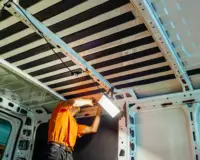
A well-planned upfit can improve organization, reduce unnecessary strain on drivers, and help the vehicle serve the business more effectively. Fleet Specialties provides custom fleet upfitting for commercial trucks, vans, and utility vehicles, including shelving, storage units, drawers, roof racks, partitions, flooring, truck caps, lighting, ladder racks, and custom fabrication.
When maintenance and upfitting are considered together, business owners can make better use of each vehicle throughout its service life.
Why Outsourcing Fleet Maintenance Can Help
Some businesses try to manage fleet maintenance internally, but that can become difficult as the number of vehicles grows. Appointments need to be scheduled, repairs need to be tracked, inspection dates need to be monitored, and downtime needs to be minimized.
Outsourcing fleet maintenance gives businesses access to technicians, repair history, scheduling support, and practical advice without having to build the process from scratch. It can also help create consistency across the fleet, especially for companies with vehicles at different ages and stages of use.
Fleet Specialties offers support for businesses with three or more commercial vehicles through its fleet management service. For operators using Element Fleet Cards, the shop also accepts them, which can make service coordination easier for approved fleet accounts.
Keeping Work Trucks Working
Preventive maintenance does not eliminate every repair, but it does help reduce surprises. It gives business owners more control, helps drivers stay productive, and supports better decisions about repair costs, safety, and replacement planning.
Fleet Specialties has been serving B2B clients since 2008, with a full-service model built around commercial vehicle needs. For businesses looking to reduce downtime and keep vehicles ready for work, booking a service appointment is a practical place to start.
Frequently Asked Questions
How often should commercial fleet vehicles be serviced?
Service frequency depends on mileage, vehicle use, manufacturer recommendations, operating conditions, and repair history. Vehicles used daily for commercial work may need more frequent inspections than personal vehicles, especially if they carry tools, equipment, or heavy loads.
What is the difference between preventive maintenance and regular repairs?
Preventive maintenance is planned service intended to reduce the risk of breakdowns. Regular repairs usually happen after something has already failed or started causing problems. A strong fleet maintenance plan uses both, but the goal is to rely less on emergency repairs.
Can preventive maintenance reduce fleet costs?
Yes, it can help reduce costs by catching issues early, lowering the risk of unexpected downtime, extending vehicle life, and helping businesses make better repair versus replacement decisions.
Does Fleet Specialties service small business fleets?
Yes. Fleet Specialties works with businesses operating commercial vehicles, including fleets with three or more vehicles. This can include delivery vans, contractor vehicles, utility trucks, and other work vehicles across North York and the GTA.