

Commercial vehicles carry a higher level of responsibility than personal vehicles. They are used for work, often driven daily, and may carry equipment, products, materials, or employees. In Ontario, many commercial vehicles are also subject to annual safety inspection requirements, commonly known as yellow sticker inspections.
For business owners, staying on top of these inspections is not just about avoiding inconvenience. It is part of keeping vehicles safe, compliant, and ready for work. Fleet Specialties is a certified Vehicle Inspection Station in Ontario and helps commercial fleet operators manage annual inspections, correct deficiencies, and keep vehicles moving.
What Is A Yellow Sticker Inspection?
A yellow sticker inspection is an annual safety inspection for certain commercial vehicles in Ontario. When a vehicle passes, a yellow annual inspection sticker is displayed as proof that the required inspection has been completed.
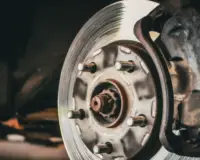
The purpose is to confirm that the vehicle meets required safety standards at the time of inspection. This can include important systems such as brakes, steering, suspension, tires, wheels, lights, frame components, and other safety-related items.
Because requirements can depend on vehicle type, weight, use, and configuration, business owners should confirm how the rules apply to their specific vehicles. The Government of Ontario provides information on safety standards certificates and vehicle inspections, which can help owners understand the broader inspection process.
Which Vehicles May Need Annual Safety Inspections?
Many commercial trucks, trailers, and business-use vehicles may require annual inspections, depending on their registered gross weight and how they are used. This can include work trucks, vans, utility vehicles, trailers, and other vehicles used as part of a business operation.
For small and mid-sized businesses, confusion often happens around pickup trucks, trailers, and mixed-use vehicles. A vehicle that looks like a regular truck may still fall under commercial requirements depending on how it is registered and used. That is why it is important to stay informed and work with a service provider that understands commercial fleet needs.
Fleet Specialties supports commercial vehicle maintenance and repair for businesses across North York and the GTA, including annual safety inspections and certifications.
Why Inspection Planning Matters For Fleet Operators
Leaving inspection planning until the last minute can create problems. If one vehicle is due, the business may be able to manage the downtime. If several trucks are due around the same time, scheduling becomes more difficult. If deficiencies are found, the vehicle may need repairs before it can return to service with a completed inspection.
This is where planning makes a real difference. Inspection dates should be tracked, service should be scheduled in advance, and known concerns should be addressed before the due date approaches.
As noted in our related blog on preventive fleet maintenance for Toronto businesses, downtime is often more expensive than the repair itself. A vehicle sitting unexpectedly at a repair facility is not producing revenue, completing jobs, or supporting customers.
What Gets Checked During A Commercial Vehicle Safety Inspection?
An annual safety inspection looks at key components that affect the safe operation of the vehicle. While the exact details depend on the vehicle, the inspection generally focuses on whether the vehicle is safe to operate on Ontario roads.
For fleet owners, this is a useful reminder that inspections should not be treated as a once-a-year concern. Brakes, tires, steering, suspension, lights, electrical systems, and other components should be monitored throughout the year.
Fleet Specialties helps business clients identify vehicles that are due for inspections and bring them in for service. If deficiencies are found during testing or inspection, the team can work with the client to correct the issue and help get the vehicle back into service.
How Missed Inspections Can Affect A Business
A missed or expired inspection can create unnecessary risk. It may interrupt operations, create compliance concerns, or lead to a vehicle being pulled from service until the issue is addressed. For a business that depends on its vehicles every day, that can mean missed appointments, delayed deliveries, and lost productivity.
Good fleet management helps prevent this from happening. Tracking inspection dates, repair history, recurring issues, and vehicle condition gives business owners a clearer picture of what needs attention.
Fleet Specialties provides proactive fleet management services that support maintenance planning, safety inspections, CVOR-related requirements where needed, emissions testing support, and repair history tracking.
Why Yellow Sticker Inspections Should Be Part Of A Larger Maintenance Plan
A yellow sticker inspection is important, but it should not be the only time a commercial vehicle is reviewed. If a business waits for the inspection to uncover every issue, repairs may become rushed, downtime may increase, and scheduling can become harder to manage.
The better approach is to combine inspection planning with preventive maintenance. When vehicles are checked regularly, potential problems can be addressed before the annual inspection date. That can make the inspection process smoother and reduce the risk of last-minute surprises.
This is especially important for companies with several vehicles on the road. A fleet may include delivery vans, contractor trucks, utility vehicles, or larger commercial trucks. Each one has its own wear patterns, mileage, and repair history. A strong process keeps those details organized.
Preparing Vehicles For Inspection
Before bringing a vehicle in for inspection, business owners should make sure drivers report any known issues. Warning lights, brake noise, tire problems, steering concerns, lighting issues, and fluid leaks should be noted early.
Keeping service records organized is also helpful. If repairs have been completed recently, those details can give technicians a clearer understanding of the vehicle’s history. If several vehicles are due for inspection, scheduling them over time may help reduce disruption.
Fleet Specialties understands that commercial vehicles need to keep working. The team offers pick-up and delivery where appropriate, coordinates emissions tests and warranty repairs, and supports fleet operators with practical scheduling.
Book A Commercial Vehicle Safety Inspection In North York
For businesses that rely on commercial vehicles, inspections are part of staying safe, compliant, and productive. Managing them properly helps reduce stress, avoid missed deadlines, and keep vehicles ready for work.
Fleet Specialties has served B2B clients since 2008 and works with businesses across North York and the GTA. If your commercial vehicle is due for inspection, or if you need help managing inspection dates across your fleet, contact Fleet Specialties to book an appointment.
Frequently Asked Questions
What is a yellow sticker inspection in Ontario?
A yellow sticker inspection is an annual safety inspection required for many commercial vehicles in Ontario. When the vehicle passes, it receives an annual inspection sticker showing that the inspection has been completed.
Do all pickup trucks need a yellow sticker?
Not always. Requirements can depend on how the pickup truck is registered, its weight, and how it is used. Business owners should confirm their obligations based on their specific vehicle and operation.
What happens if a commercial vehicle fails inspection?
If deficiencies are found, they usually need to be corrected before the vehicle can pass inspection. Fleet Specialties can inspect the vehicle, identify the issue, complete necessary repairs, and help return the vehicle to service.
How can fleet owners avoid missed inspection dates?
Fleet owners should track due dates, maintain repair history, schedule inspections in advance, and include inspection planning as part of their broader maintenance program. This is especially important for businesses operating several commercial vehicles.