
Commercial vehicle brake maintenance should be treated as an ongoing fleet responsibility, not a once-a-year inspection task. Before Brake Safety Week, fleet operators should review brake condition, driver-reported symptoms, inspection records and any developing issues that could lead to an unexpected repair or an out-of-service vehicle.
For 2026, the Commercial Vehicle Safety Alliance has scheduled Brake Safety Week for August 23 to 29, with special attention on brake drums and rotors. That makes August a practical time for Ontario fleet operators to confirm that work trucks, vans and other commercial vehicles are being inspected and maintained before small brake problems become larger safety and downtime issues.
Why Brake Safety Week Matters to Commercial Fleets
Brake Safety Week is a North American inspection and enforcement initiative focused on commercial motor vehicle braking systems. During the 2026 event, trained inspectors in Canada, the United States and Mexico will conduct commercial vehicle inspections with added attention on brake systems and components.
CVSA’s 2026 unannounced Brake Safety Day shows that brake-related out-of-service defects remain a practical fleet risk. Inspectors conducted 4,021 commercial vehicle inspections and restricted 574 vehicles, or 14.3%, from travel because of brake-related out-of-service violations.
For fleet operators, the lesson is straightforward. Brake maintenance is not only about preparing for one week of enforcement. A vehicle with a developing brake problem can create unscheduled downtime at any point in the year.
Fleet Specialties provides commercial vehicle maintenance and repair for business fleets across North York and the GTA, including brake service, wheel and hub work, tires, alignments and safety inspections.
What Is Different About the 2026 Brake Safety Week Focus?
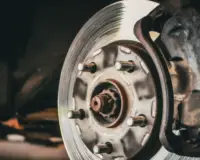
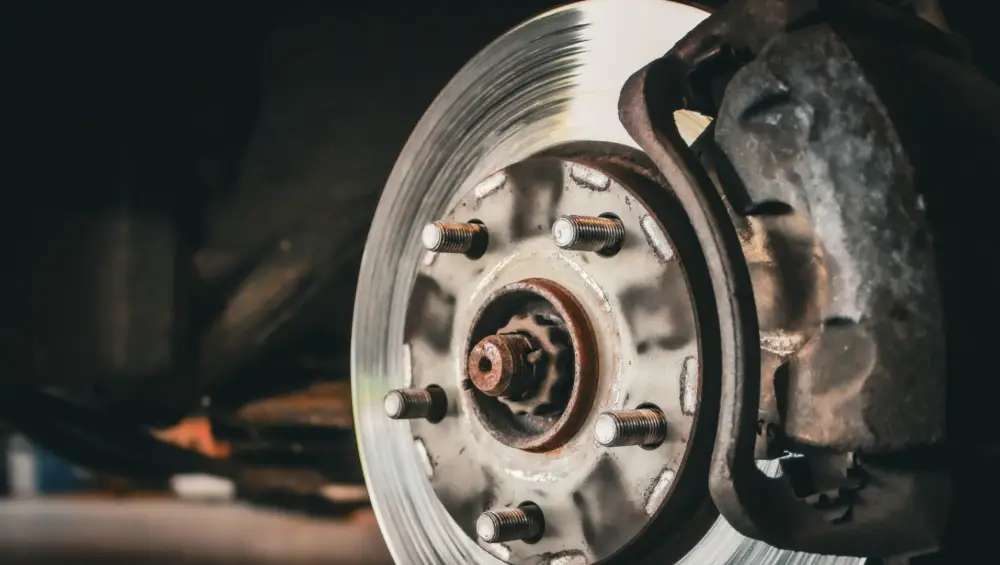
The 2026 focus is on brake drums and rotors. CVSA has identified these components as a specific area for inspectors to record and review during Brake Safety Week.
Drums and rotors have to tolerate repeated heat and friction every time a vehicle slows or stops. On a commercial vehicle, operating conditions can add to that demand. A service van that spends the day in stop-and-go traffic, a truck carrying tools and equipment, and a vehicle making frequent deliveries can all experience different brake wear patterns.
Fleet operators should not wait for a driver to report severe braking problems before having these components assessed. Cracks, damage, excessive wear, contamination and other defects can affect braking performance and may not always announce themselves with an obvious warning from the driver’s seat.
Combine scheduled technician inspections with driver observations. If a driver reports a change in pedal feel, braking response, vibration or noise, the vehicle should be assessed rather than left until the next routine appointment.
What Brake Warning Signs Should Drivers Report?
Drivers are often the first people to notice that a brake system is behaving differently. A clear reporting process helps fleet managers act before a problem interrupts the workday.
Warning signs can include:
- grinding, scraping, squealing or other new brake noises
- vibration or pulsation during braking
- a vehicle pulling to one side when braking
- a brake pedal that feels unusually soft, hard or different from normal
- a longer or less predictable stopping response
- brake or ABS warning lights
- visible fluid leaks on vehicles with hydraulic brake systems
- air-pressure warnings, audible air leaks or other abnormal air-brake behaviour on air-brake-equipped vehicles
These symptoms do not all point to the same repair. They are reasons to have the system inspected by a qualified technician.
A fleet maintenance program should make it easy for a driver to report a concern at the end of a shift and for the fleet manager to know what happened next. A note such as “brakes noisy” is less useful than recording when the noise occurred, whether the vehicle was loaded and whether the symptom changed as the brakes warmed up.
What Should Fleet Operators Review Before Brake Safety Week?
A good pre-event review starts with the vehicles most likely to expose the business to downtime. Look at units with high daily use, heavy loads, repeated urban stops, recent brake complaints or a history of recurring brake work.
First, check maintenance records. Confirm when each vehicle last received brake service or inspection and whether a technician recommended follow-up work.
Second, review driver defect reports and recent complaints. Repeated comments about vibration, pulling, noise or warning lights should not remain buried in paperwork.
Third, confirm that vehicles subject to Ontario’s commercial vehicle inspection rules are being inspected according to the applicable requirements. Ontario requires preventive maintenance inspections to form part of an operator’s maintenance plan, and certain commercial vehicles also require daily inspections before operation.
Fourth, schedule needed repairs early enough that the work can be planned. Waiting until a vehicle fails an inspection can turn a manageable service appointment into an operational problem.
Fleet operators that already use preventive fleet maintenance can build brake checks into existing service intervals rather than creating a separate process only for Brake Safety Week.
How Ontario Daily Inspections Fit Into Brake Safety
For applicable commercial vehicles in Ontario, a daily inspection is more than a quick walk around the truck. The province requires drivers or another person on behalf of the operator to inspect the items on the applicable inspection schedule, record defects and notify the operator.
The rules apply to trucks, trailers and converter dollies in specified weight classes, as well as certain other commercial vehicle types. Ontario identifies brake systems, including hydraulic and air brakes, among the systems covered by commercial vehicle safety requirements.
That matters because a daily inspection and a shop inspection serve different purposes. The driver is looking for defects or changes that can be identified before or during operation. A qualified technician can assess wear, component condition and repairs that are beyond a driver’s normal inspection responsibilities.
Fleet operators should make sure those two processes connect. If a driver identifies a defect, there should be a clear way to document it, determine whether the vehicle can remain in service and arrange the necessary repair.
For fleets subject to annual inspections, our guide to Ontario yellow sticker inspections for commercial vehicles explains how inspection planning fits into a broader maintenance program.
Why Waiting for Brake Noise Can Cost More
Waiting for brake noise is risky because not every defect produces an obvious warning from the driver’s seat. Some brake problems can progress quietly, while others can cause wear to spread from one component to another.
The direct repair bill is only part of the cost. A work truck that becomes unavailable with little notice can leave an operator without a vehicle, force jobs to be reassigned, delay deliveries or require a temporary replacement.
That is why repair history matters. If the same vehicle repeatedly returns with brake, wheel-end, suspension or related concerns, reviewing the pattern can help identify whether the issue is isolated or part of a broader maintenance problem.
Fleet Specialties’ fleet management services are designed to help business clients track service requirements, repair history and vehicle condition so maintenance decisions can be planned around actual fleet needs.
Build Brake Maintenance Into the Fleet Schedule
Brake Safety Week creates a useful August deadline, but a fleet should not need a safety campaign to discover whether its brakes are being maintained.
The stronger system is year-round. Keep service histories current, make driver reporting simple, review recurring defects and schedule inspections based on how each vehicle is actually used. A lightly used executive vehicle should not automatically follow the same maintenance pattern as a loaded work truck running daily routes through Toronto traffic.
Before August 23, review the vehicles that have open brake concerns, overdue maintenance or recent driver complaints. If a truck or van needs inspection or brake service, scheduling it before a roadside issue or breakdown helps protect both safety and productivity.
Fleet Specialties works with commercial fleets in North York and across the GTA to maintain work trucks, vans and other business vehicles. To arrange brake service or a broader fleet maintenance review, contact the team or schedule an appointment.
Frequently Asked Questions
What is Brake Safety Week in 2026?
Brake Safety Week runs from August 23 to 29, 2026, and is organized by the Commercial Vehicle Safety Alliance. Commercial vehicle inspectors across North America will focus on brake systems, with brake drums and rotors identified as the special focus area for 2026.
What brake problems can put a commercial vehicle out of service?
Serious brake defects that meet the applicable out-of-service criteria can prevent a commercial vehicle from continuing to operate until the problem is corrected. The exact determination depends on the vehicle, brake system and defect, which is why suspected brake problems should be assessed before the vehicle reaches an enforcement inspection.
Do Ontario commercial vehicles need daily brake inspections?
Certain commercial vehicles in Ontario are subject to daily inspection requirements, and the applicable inspection schedules include brake-related items. Drivers or other authorized persons must record defects found during the inspection and notify the operator.
How often should commercial vehicle brakes be inspected?
There is no single inspection interval that suits every commercial vehicle. Vehicle type, brake system, mileage, load, duty cycle, operating environment, manufacturer recommendations and the operator's maintenance program should all influence how often a qualified technician checks the system.
Should a fleet inspect every vehicle before Brake Safety Week?
Fleet operators should at minimum review maintenance status, driver reports and open brake concerns across the fleet before Brake Safety Week. Vehicles with overdue service, warning signs, heavy use or recurring brake issues should be prioritized for professional inspection.